Treatments & Procedures
Joint & Soft Tissue Injections
Joint and soft tissue injections can be useful in the treatment of selected musculoskeletal conditions, particularly where pain and inflammation are localised to a specific joint, bursa or tendon-related structure.
Dr Richard Campbell performs a range of joint and soft tissue injections as part of his rheumatology practice. An injection is recommended only where it is clinically appropriate following assessment of the underlying problem.
The first step is establishing the cause of the symptoms and whether an injection is likely to help.

Conditions that may benefit from an injection
Depending on the diagnosis and clinical findings, injections may be considered for a number of joint and soft tissue problems.
- Knee pain and inflammation
- Shoulder pain
- Bursitis
- Tennis or golfer’s elbow in selected cases
- Trigger finger / stenosing tenosynovitis
- De Quervain’s tenosynovitis
- Other localised joint inflammation
Not every painful joint or tendon problem is best treated with an injection. The potential benefit depends on the diagnosis, severity of symptoms and previous treatment.
Common injection procedures
Two of the more commonly performed procedures involve the knee and shoulder.
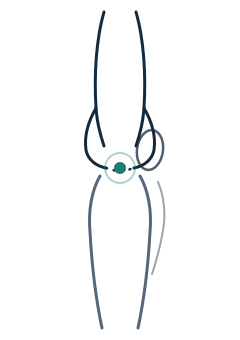
Knee joint injection
Knee injections may be considered where symptoms are arising from inflammation within the joint or in selected patients with osteoarthritis.
The knee is assessed first to establish the likely cause of pain and whether injection treatment is appropriate.
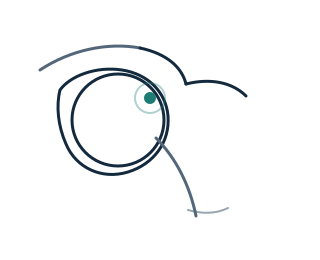
Shoulder injection
Shoulder injections may be useful for selected causes of shoulder pain, including inflammation affecting structures around the shoulder.
Careful clinical assessment is important because shoulder pain can arise from several different structures and an injection is not appropriate for every cause.
What type of injection is used?
Corticosteroid injections are commonly used to reduce local inflammation. They are often given with a local anaesthetic, depending on the procedure and clinical circumstances.
The precise treatment recommended depends on the condition being treated and the individual patient.
Assessment before treatment
Before recommending an injection, Dr Campbell will assess the symptoms, examine the affected area and review any relevant previous investigations.
In some cases, further imaging such as an X-ray or ultrasound may be appropriate before proceeding.
Where an injection would be better performed using imaging guidance, this can be arranged through an appropriate radiology or musculoskeletal imaging service.
Some injections can be performed during a rheumatology consultation, while others are more appropriately undertaken with imaging guidance.
What to expect
1
Assessment
The problem is assessed and the diagnosis and treatment options are discussed.
2
Injection
If an injection is appropriate, the procedure and expected benefits and risks are explained before treatment.
3
Aftercare
You will be given advice about what to expect following the procedure and any appropriate activity or follow-up.
Benefits and limitations
An injection can provide useful relief for some patients, but the response varies according to the underlying condition.
Injections are often used as part of a broader treatment plan rather than as a treatment in isolation. Depending on the diagnosis, this may also include activity modification, physiotherapy, medication or other treatment.
The duration and degree of benefit cannot be predicted for an individual patient.
Are joint injections safe?
Joint and soft tissue injections are generally well tolerated when appropriately performed, but all procedures carry potential risks.
These can include temporary discomfort after the injection, bruising or bleeding, skin or soft tissue changes and, rarely, infection. Additional considerations may apply to patients taking anticoagulant medication, people with diabetes or those with particular medical conditions.
The relevant benefits and risks will be discussed before treatment.
Consultant-led assessment and treatment
Dr Campbell has extensive experience in assessing musculoskeletal and rheumatological conditions and performing joint and soft tissue injections.
The aim of the consultation is first to establish the likely cause of the symptoms and then determine whether an injection, another treatment or further investigation is the most appropriate next step.
Procedure costs
There are additional fees for joint and soft tissue injections in addition to consultation fees. An injection may involve additional procedure, medication or hospital charges beyond the consultation fee. Any applicable costs can be confirmed before treatment.
Arrange a consultation
If you have persistent pain affecting a joint or surrounding soft tissues, a specialist assessment can help establish the diagnosis and whether an injection may be appropriate.
Appointments are available at The Sloane Hospital in Beckenham and Chelsfield Park Hospital in Orpington. Self-pay and insured patients are welcome.